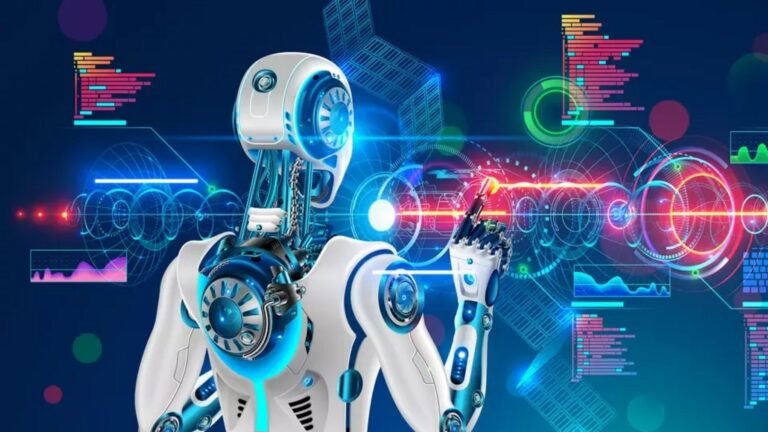
As we navigate through 2025, the design world is experiencing a profound transformation driven by Artificial Intelligence (AI). This integration is not only reshaping the creative process but also redefining the roles of designers and the experiences of users. From graphic design to user interface (UI) development, AI’s influence is pervasive, offering both unprecedented opportunities and challenges.
The Rise of AI in Design
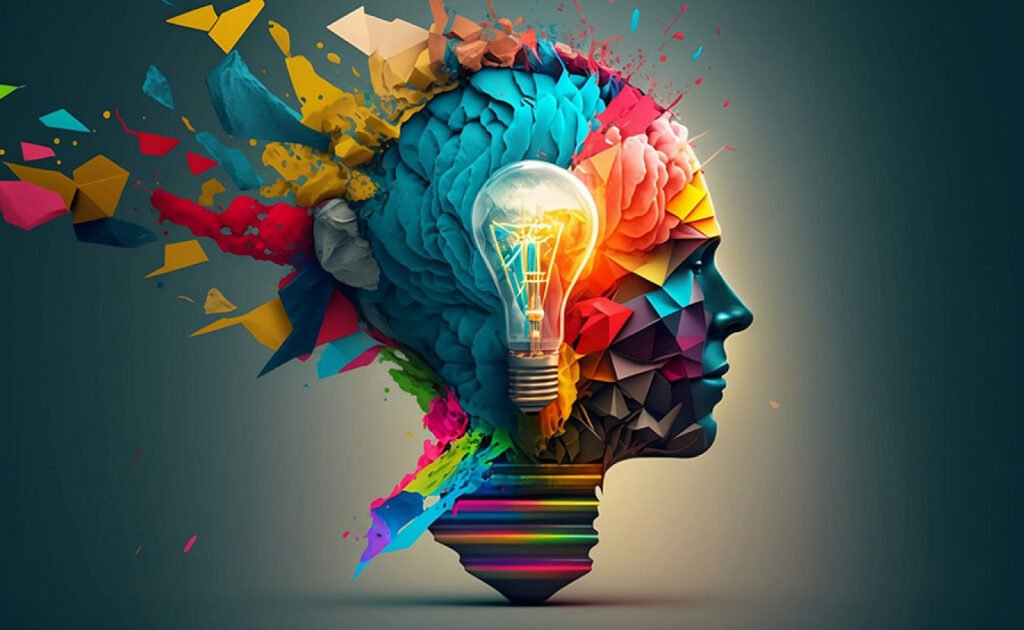
AI’s integration into design is a response to the growing demand for efficiency, personalization, and innovation. By leveraging machine learning algorithms and data analytics, AI enables designers to automate routine tasks, generate new design elements, and gain insights into user preferences. This synergy between human creativity and machine intelligence is fostering a new era of design possibilities.
Key Trends in AI-Powered Design
1. AI-Generated Content and Automation
AI is revolutionizing content creation by automating the generation of visuals, layouts, and even written material. Tools like Adobe’s Sensei utilize AI to assist designers in creating complex compositions, suggesting design variations, and automating repetitive tasks. This not only accelerates the design process but also allows designers to focus on more strategic and creative aspects of their work.Adobe
2. Personalized User Experiences
In UI and UX design, AI is instrumental in crafting personalized experiences. By analyzing user data, AI algorithms can predict user behavior and preferences, enabling the creation of interfaces that adapt in real-time to individual needs. This level of personalization enhances user engagement and satisfaction, setting new standards for digital interactions.
3. AI in Graphic Design
Graphic design is witnessing a surge in AI applications, from generating unique visual elements to suggesting color palettes and typography. AI-powered platforms can analyze current design trends and user engagement metrics to propose designs that are both aesthetically pleasing and effective. This collaboration between AI and designers is leading to more innovative and data-driven design solutions.Looka
4. Enhanced Accessibility and Inclusivity
AI is playing a pivotal role in making design more accessible. By automating the creation of alternative text for images, generating captions for videos, and suggesting accessible color contrasts, AI ensures that designs are inclusive and cater to a diverse audience. This not only broadens the reach of digital products but also aligns with ethical design practices.
Challenges and Considerations
While AI offers numerous advantages, its integration into design comes with challenges. Concerns about data privacy, the potential for algorithmic bias, and the fear of diminishing human creativity are prevalent. Designers must navigate these issues by ensuring transparency in AI applications, actively working to eliminate biases, and using AI as a tool to augment rather than replace human creativity.
The Future of AI in Design
Looking ahead, the role of AI in design is poised to expand further. Emerging technologies like augmented reality (AR) and virtual reality (VR) are integrating AI to create immersive experiences. Additionally, the development of more sophisticated AI models promises to offer even deeper insights into user behavior, enabling hyper-personalized designs.
However, the essence of design will continue to rely on human intuition, empathy, and creativity. AI should be viewed as a collaborator that enhances these human qualities, allowing designers to push the boundaries of what is possible.
Conclusion
The integration of AI into design is not just a trend but a paradigm shift that is redefining the creative landscape. By embracing AI, designers can unlock new levels of efficiency, personalization, and innovation. Nevertheless, it is crucial to approach this integration thoughtfully, addressing ethical considerations and maintaining the human touch that lies at the heart of all impactful designs.
As we move forward, the collaboration between human designers and AI will undoubtedly lead to a richer, more dynamic design ecosystem that benefits creators and users alike.