
The Enchanting World of Ghibli Art: A Deep Dive into Studio Ghibli’s Artistic Mastery

Studio Ghibli, the esteemed Japanese animation studio founded by Hayao Miyazaki and Isao Takahata, has captivated audiences worldwide with its enchanting storytelling and distinctive art style. The studio’s films are renowned for their intricate hand-drawn animations, vibrant color palettes, and the seamless fusion of reality and fantasy. This article explores the unique elements that define Ghibli art, its influences, and its enduring impact on the world of animation and beyond.
Embracing Maximalism: The Bold Return of Vibrant Design in 2025
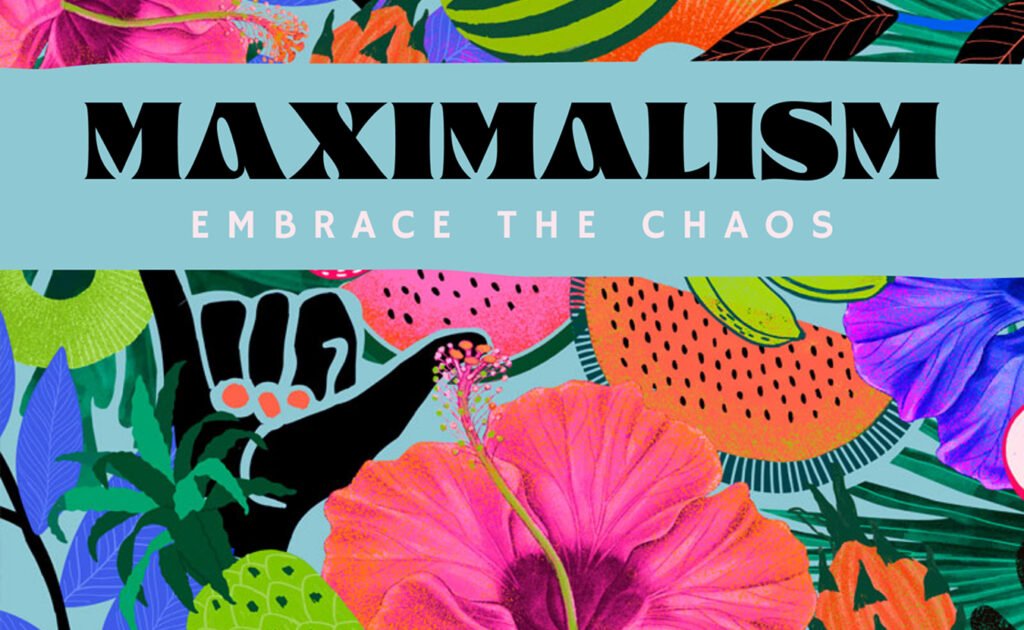
In 2025, the design world is witnessing a significant shift as maximalism makes a triumphant return. After years dominated by minimalist aesthetics, designers and consumers alike are embracing bold colors, intricate patterns, and rich textures to create spaces and visuals that exude personality and opulence. This resurgence reflects a collective desire for self-expression and a break from the subdued palettes of previous years.
AI-Powered Design: Transforming the Creative Landscape in 2025
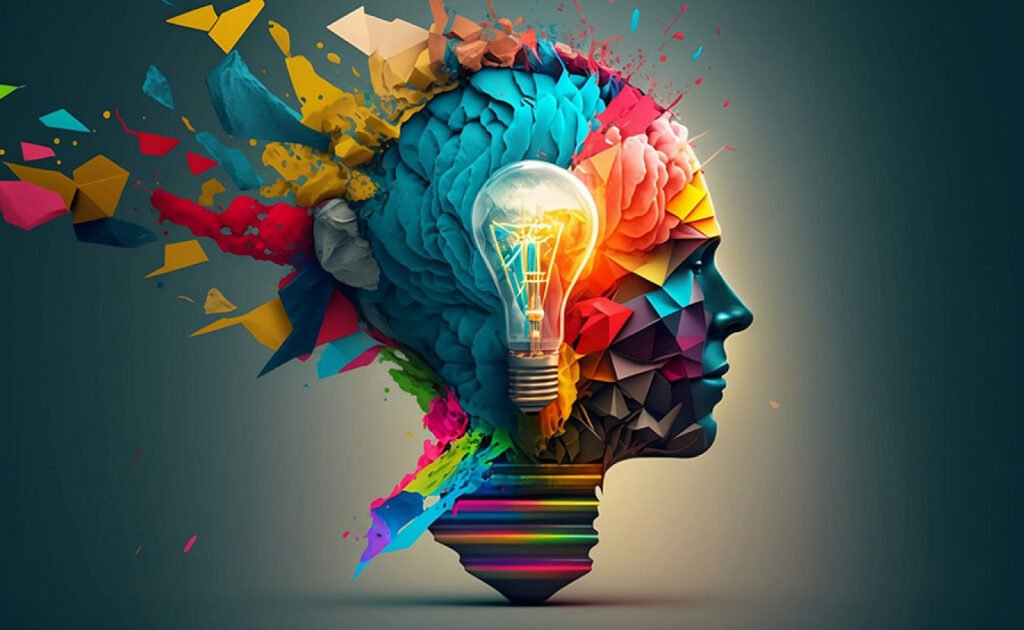
As we navigate through 2025, the design world is experiencing a profound transformation driven by Artificial Intelligence (AI). This integration is not only reshaping the creative process but also redefining the roles of designers and the experiences of users. From graphic design to user interface (UI) development, AI’s influence is pervasive, offering both unprecedented opportunities and challenges.
AI-Powered UI: The Future of Smart and Adaptive Interfaces

As technology continues to evolve, the role of Artificial Intelligence (AI) in User Interface (UI) design is becoming increasingly significant. AI is transforming how interfaces are designed, making them more intelligent, responsive, and personalized. From predictive analytics to automated design generation, AI is reshaping UI design, creating experiences that adapt to users’ needs in real […]
The Role of Accessibility in Modern UX/UI Design
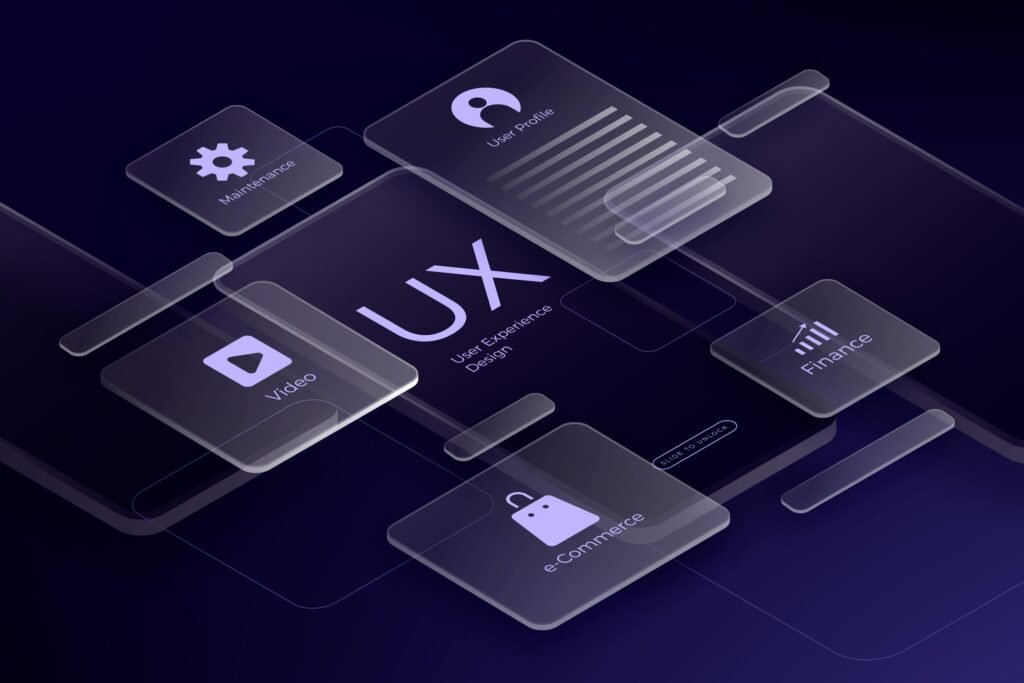
Accessibility in UX/UI design is essential for creating inclusive, user-friendly digital experiences that cater to people of all abilities. By following principles like perceivability, operability, and usability, designers can remove barriers and enhance usability for everyone. From color contrast and screen reader compatibility to keyboard navigation and responsive design, accessibility not only improves user experience but also boosts SEO, expands market reach, and ensures legal compliance. Prioritizing accessibility from the start leads to better engagement, inclusivity, and innovation in digital design.
Microinteractions: Enhancing User Delight in Digital Design
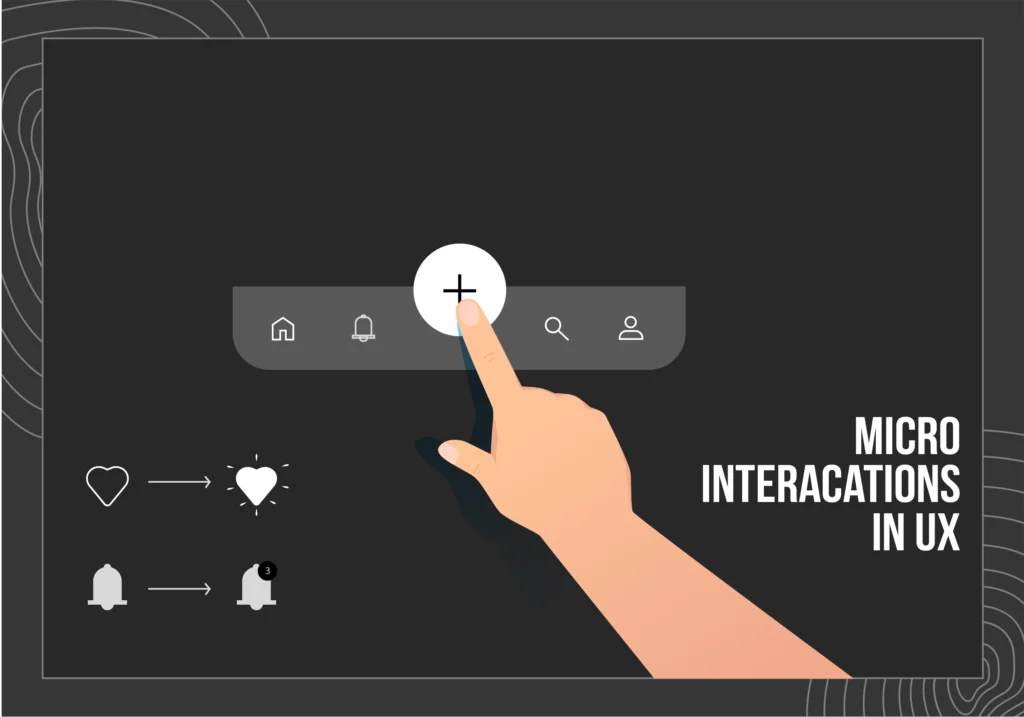
Microinteractions: Enhancing User Delight in Digital Design In the world of digital design, the focus has traditionally been on large-scale user interactions: navigation, features, and overall functionality. However, there’s a hidden element that can significantly enhance the user experience without demanding much attention—the subtle art of microinteractions. These tiny, yet impactful details are what make […]
The Future of UX: Designing for AI-Driven Experiences

As artificial intelligence (AI) continues to transform industries, its influence on user experience (UX) design is both inevitable and profound. The integration of AI into digital products is reshaping how users interact with technology, creating new opportunities and challenges for designers. This blog explores how AI is redefining UX and what designers can do to […]
Designing for Dark Mode: Balancing Aesthetics, Accessibility, and Performance
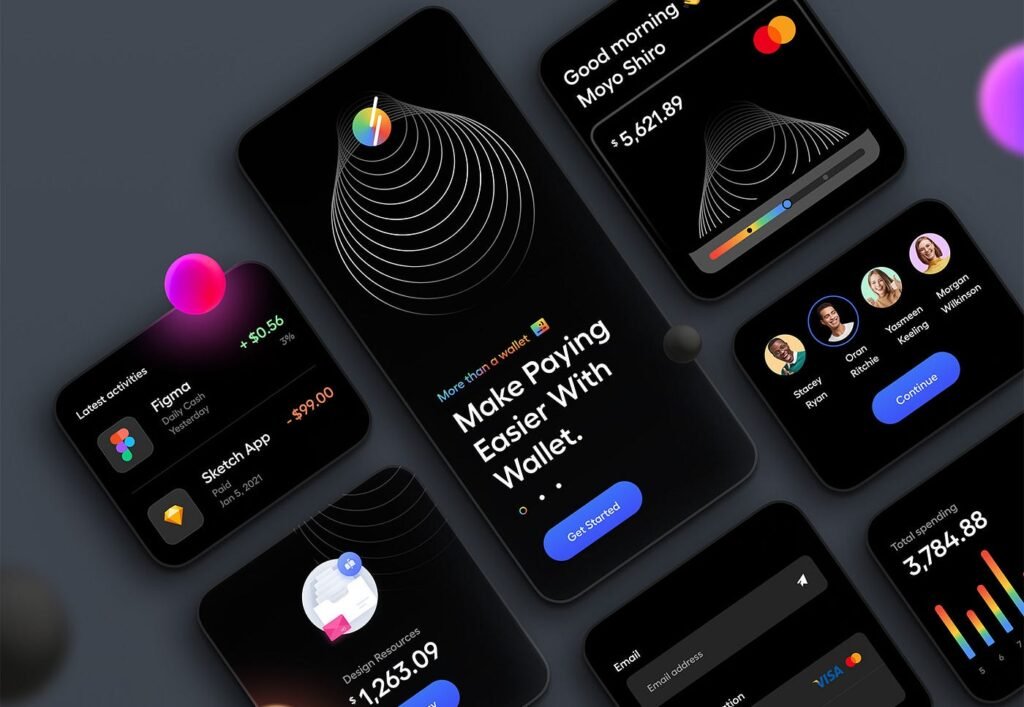
Dark mode has become a prominent trend in digital design, offering users an alternative to traditional light-themed interfaces. Its growing popularity stems from the aesthetic appeal, reduced eye strain, and energy-saving benefits, particularly on OLED screens. However, designing for dark mode isn’t as simple as flipping colors—it requires thoughtful consideration of aesthetics, accessibility, and performance. […]